

Home >> Fire Dampers >> Fire & Smoke Damper Inspection & Cleaning

Fire & Smoke Damper Inspection & Cleaning

Damper

Fire & Smoke Damper Inspection & Cleaning

Helping You Stay Safe & Protected

When it comes to keeping your building safe, fire dampers play a bigger role than most people realize. They sit quietly inside your ductwork but can make all the difference in an emergency. If you’re preparing for a building inspection or simply want to ensure your systems are up to code, we’ve compiled everything you need to know about how fire damper inspections work and why they're important.

If you own an office, work as a Manager or a supervisor in a commercial building, routine fire damper inspections aren’t just compliance; this is the priority. At Mechanical Hygiene Services, we help facilities across Connecticut, Massachusetts, and Rhode Island keep their systems reliable with thorough, certified inspections.

What is a Fire Damper and why is it important?

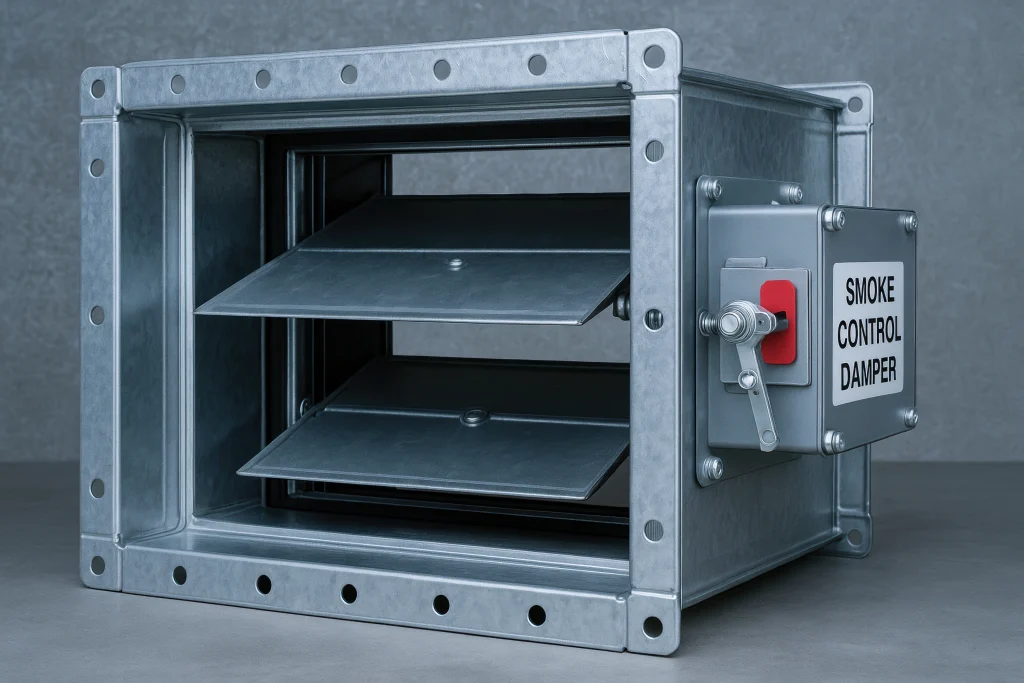
Before going for inspections and cleaning, you should know what a fire damper is and how it works. It's a safety device attached to your HVAC ducts and protects you in extreme situations when the temperature rises above 165 degrees F If the air inside gets too hot, it automatically closes the damper blades to stop them from moving through the duct system.

Imagine it as a covert barrier that keeps smoke and flames from spreading from one floor or room to another. This little piece of equipment can often make a big difference in reducing the rate of a fire and allowing people to safely evacuate.

Despite being invisible, fire dampers are mandated by building and fire codes in the majority of commercial and medical facilities. To ensure they will function when it counts most, they must be inspected regularly.

Fire Damper Types

Depending on how their HVAC systems function, different buildings use different kinds of fire dampers:

Static Fire Dampers

Systems that automatically turn off in the event of a fire contain static fire dampers. When the airflow stops, the blades close.

Dynamic fire dampers

Made for systems that continue to function in the event of an emergency. Even when the air is still moving, they can close.

Combination fire/smoke dampers

Provide both fire and smoke protection, and are frequently found in large office buildings, laboratories, and hospitals.

Smoke Dampers

Designed to stop smoke, which is frequently more harmful than flames, from spreading.

How Frequently Should Fire Dampers Be Inspected?

Fire dampers require periodic maintenance, not a monthly affair, NFPA or National Fire Protection Association suggests:

Fire-Damper-1
  • After Installation: To ensure proper closure and resetting, every fire damper should be inspected after installation.
  • A year later, a follow-up exam is performed to make sure nothing has changed or become obstructed.
  • Every Four Years, Inspections of the majority of commercial and industrial buildings must take place every four years.
  • Every Six Years, Inspections of clinics, hospitals, and other healthcare facilities take place every six years.
You can avoid compliance problems and guarantee that your safety systems will function when required by following this plan.

What Happens During an Inspection?

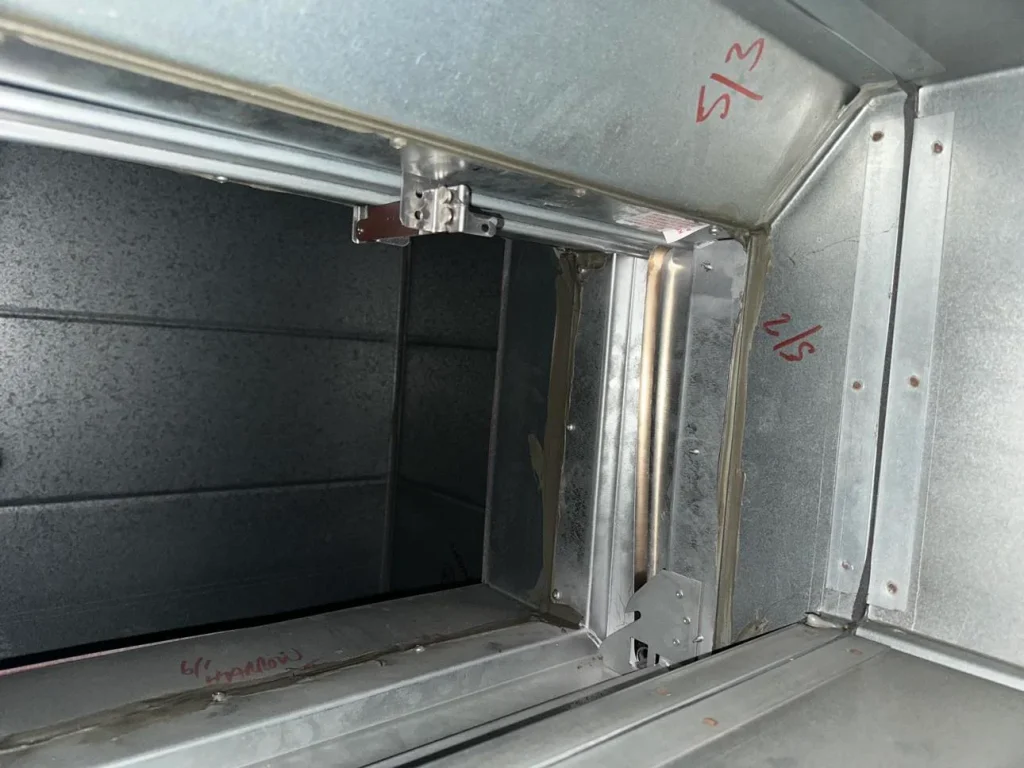
When our technicians arrive for a fire damper inspection, the process is detailed but straightforward. Here’s what we do:

If a damper doesn’t pass inspection, we’ll let you know exactly why and how to fix it whether it needs repair, cleaning, or replacement.

Why Choose Mechanical Hygiene?

For more than 20 years, we have served New England hospitals, colleges, research facilities, and commercial buildings. We are aware that each inspection is a duty rather than merely work. We are:

  • Certified Technicians trained in fire and smoke damper standards
  • Full Documentation for insurance, AHJ, and NFPA compliance
  • Minimal Downtime with after-hours and weekend scheduling
  • 20+ Years of Experience in HVAC hygiene and safety services
  • Complete System Care from duct cleaning to fire safety checks
  • Keeping Safety Simple and Reliable

Frequently Asked Questions

How would I know that my building has fire dampers?

Fire dampers are typically installed in the ductwork of commercial and multi-unit buildings that have HVAC systems. They are typically concealed close to fire-rated obstacles under walls, ceilings, or access panels. Our staff can assist you in locating them during a preliminary walkthrough if you're unsure.
Not all the time. Usually, when testing static fire dampers, the system is turned off. However, it is frequently possible to do inspections on dynamic dampers while the air is still moving. We plan inspections to cause the least amount of interference with your building's functionality.
According to NFPA 80 and NFPA 105 guidelines, fire dampers need to be evaluated a year after installation, then every four years for the majority of facilities, and every six years for hospitals or healthcare settings.
The size and design of your building will determine this. While a huge hospital or multi-story building can take several days, a tiny facility might only take a few hours. Before we begin, we'll provide you with a timeline so you may make plans around it.
Yes. In addition to inspections, we provide fire damper repair and replacement services to keep your system fully operational and compliant.

Staying Safe Starts with Staying Prepared

Fire dampers may not be visible, but they play a huge role in keeping your building safe. Regular inspections protect your property, help you meet code requirements, and most importantly, keep everyone inside safer.
Call us today or request a quote to learn more about our fire damper inspection services across Connecticut, Massachusetts, and Rhode Island.